
Earn CNE Contact Hours from
NursesOutLoud Podcast Episodes
Listen to select episodes, complete a short quiz, and download your CNE certificate instantly.
Earn CNE Contact Hours from NursesOutLoud Podcast Episodes
Listen to select episodes, complete a short quiz, and download your CNE certificate instantly.
How Podcast CE Works
How Podcast CE Works
Podcast CNE Episodes
Podcast CNE Episodes
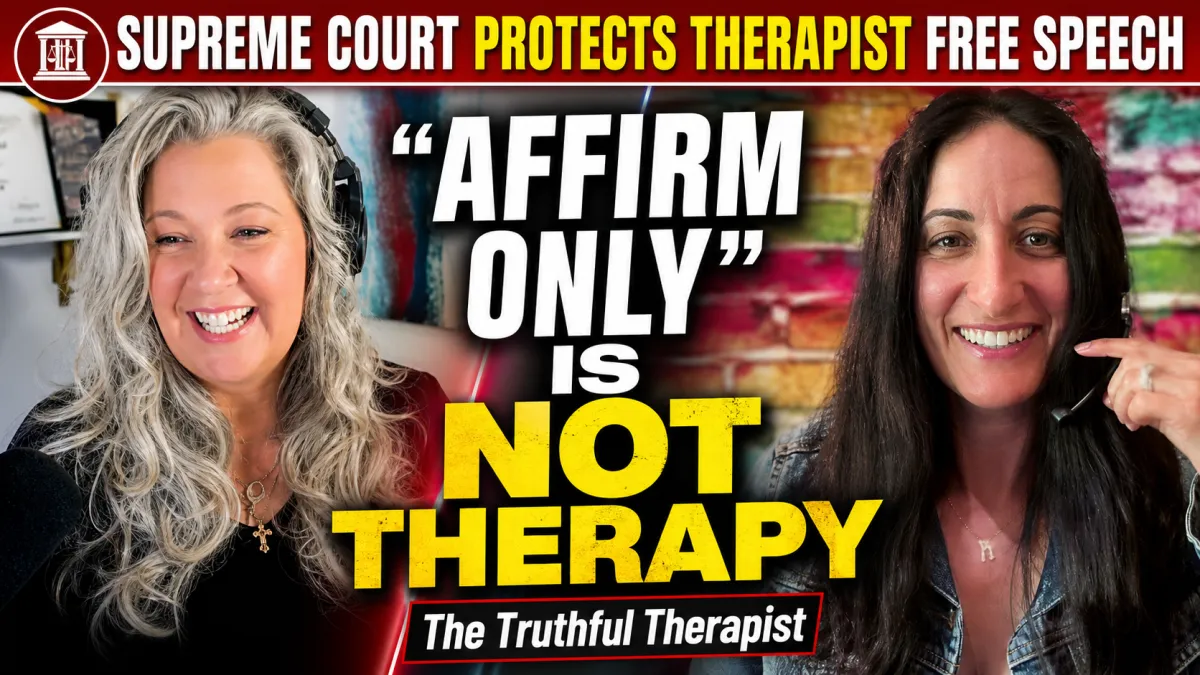
In this episode of NursesOutLoud, Jodi O’Malley is joined by Pamela Garfield-Jaeger, The Truthful Therapist, for a bold conversation on the Supreme Court decision protecting therapists’ free speech, the misuse of the term conversion therapy, and the growing collision between mental health policy, ethical therapy, and ideological affirmation.
Click to learn more.
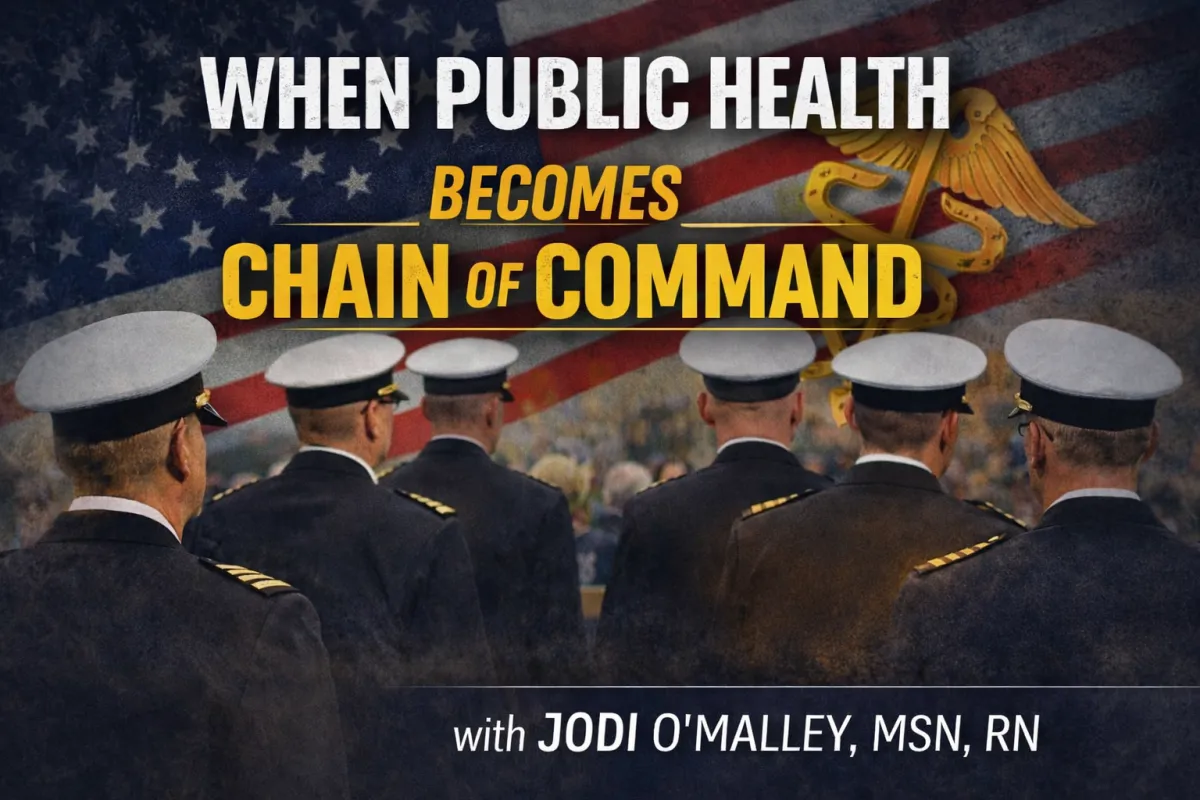
In this episode of NursesOutLoud, Jodi O’Malley, MSN, RN, examines a deeper issue beneath the COVID response: the institutional culture inside government health agencies and how hierarchy, career protection, protocol, and institutional loyalty can shape silence when the stakes are highest. Drawing from her firsthand experience as a civilian nurse inside Indian Health Service, Jodi explores the ethical tension between policy and protocol versus a nurse’s duty to the patient. She also reflects on comments from Dr. Robert Malone to frame a broader conversation about institutional entrenchment, the cost of dissent, and the danger of becoming so embedded in a system that compliance starts to replace ethics.
Click to learn more.
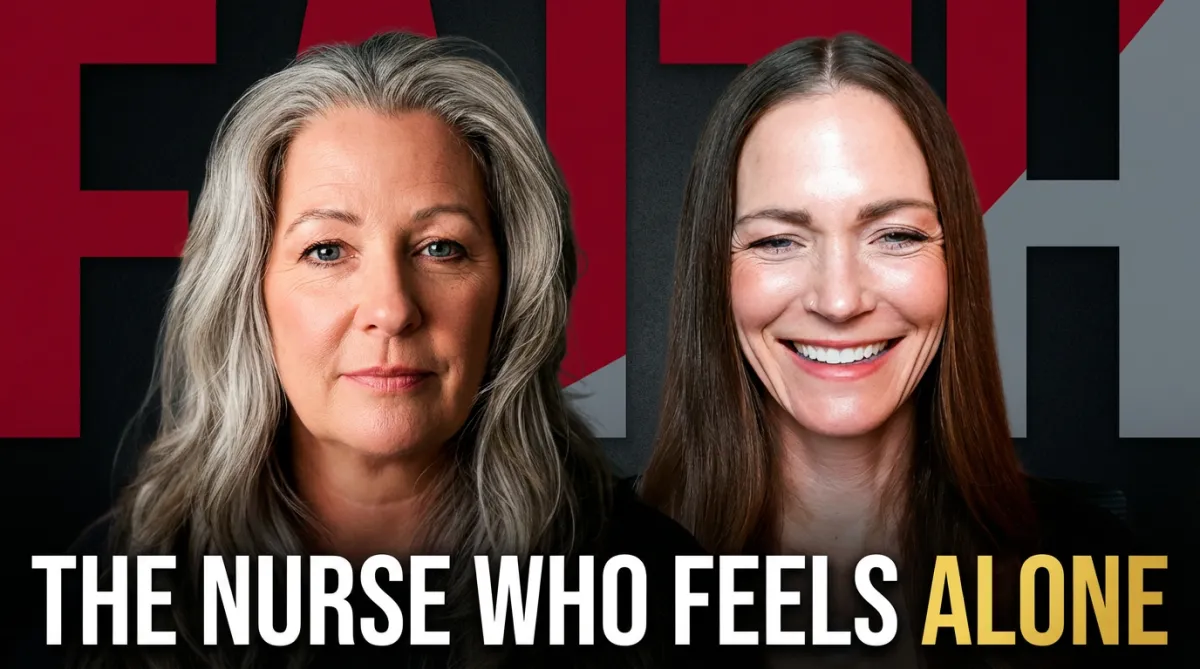
In this powerful Nursing Ethics episode, Jodi O’Malley and Nurse Tori Jensen speak directly to the healthcare worker who feels alone. Together, they unpack moral courage, wholeness of character, advocacy, conscience, and the emotional cost of standing firm when institutional pressure collides with ethical conviction. This episode offers nurses both encouragement and practical ethical reflection for real-world practice.
Click to learn more.
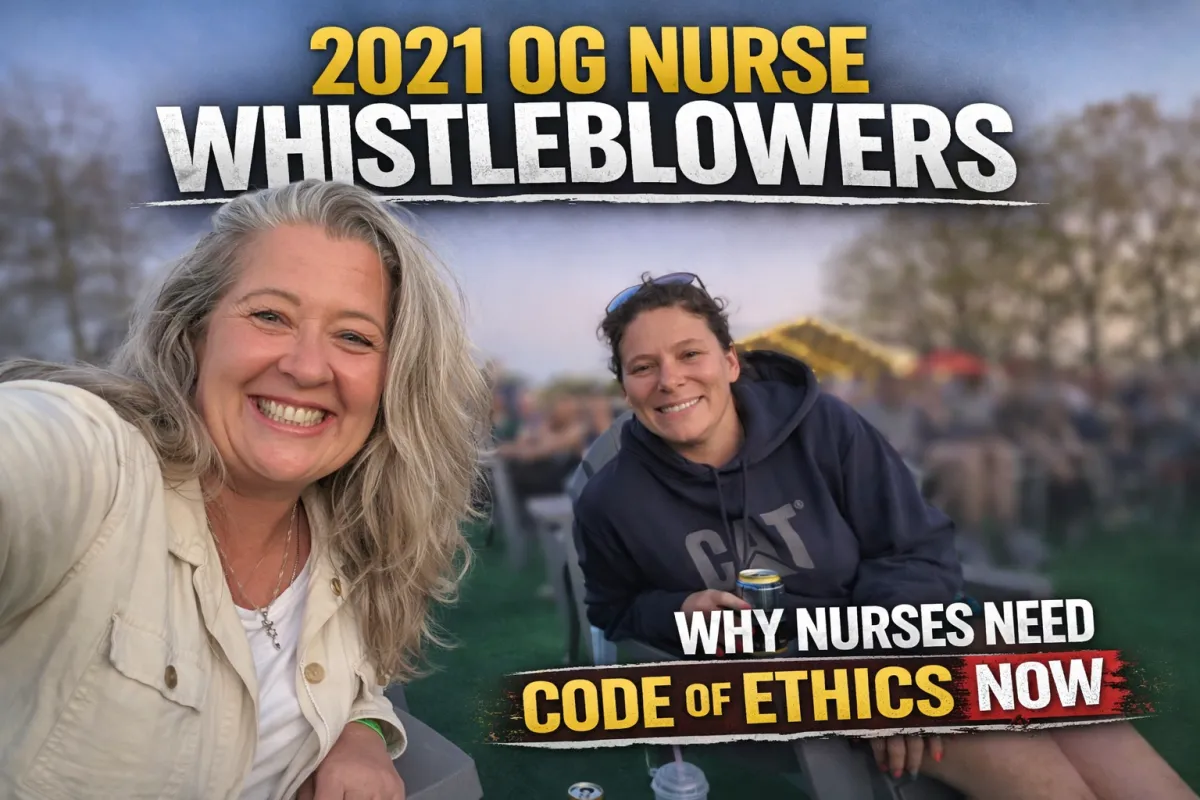
This continuing nursing education activity examines the ethical implications of recent developments involving the Advisory Committee on Immunization Practices (ACIP), judicial intervention in public health policy, and the role of nurse advocacy in complex healthcare environments.
Through real-world experiences shared by nurse whistleblowers, participants will explore the gap between nursing education and the practical application of the 2025 Code of Ethics for Nurses, particularly in high-pressure, ethically ambiguous situations.
Click to learn more.
In this episode of NursesOutLoud, Jodi O’Malley is joined by Pamela Garfield-Jaeger, The Truthful Therapist, for a bold conversation on the Supreme Court decision protecting therapists’ free speech, the misuse of the term conversion therapy, and the growing collision between mental health policy, ethical therapy, and ideological affirmation.
Click to learn more.
In this episode of NursesOutLoud, Jodi O’Malley, MSN, RN, examines a deeper issue beneath the COVID response: the institutional culture inside government health agencies and how hierarchy, career protection, protocol, and institutional loyalty can shape silence when the stakes are highest. Drawing from her firsthand experience as a civilian nurse inside Indian Health Service, Jodi explores the ethical tension between policy and protocol versus a nurse’s duty to the patient. She also reflects on comments from Dr. Robert Malone to frame a broader conversation about institutional entrenchment, the cost of dissent, and the danger of becoming so embedded in a system that compliance starts to replace ethics.
Click to learn more.
In this powerful Nursing Ethics episode, Jodi O’Malley and Nurse Tori Jensen speak directly to the healthcare worker who feels alone. Together, they unpack moral courage, wholeness of character, advocacy, conscience, and the emotional cost of standing firm when institutional pressure collides with ethical conviction. This episode offers nurses both encouragement and practical ethical reflection for real-world practice.
Click to learn more.
This continuing nursing education activity examines the ethical implications of recent developments involving the Advisory Committee on Immunization Practices (ACIP), judicial intervention in public health policy, and the role of nurse advocacy in complex healthcare environments.
Through real-world experiences shared by nurse whistleblowers, participants will explore the gap between nursing education and the practical application of the 2025 Code of Ethics for Nurses, particularly in high-pressure, ethically ambiguous situations.
Click to learn more.
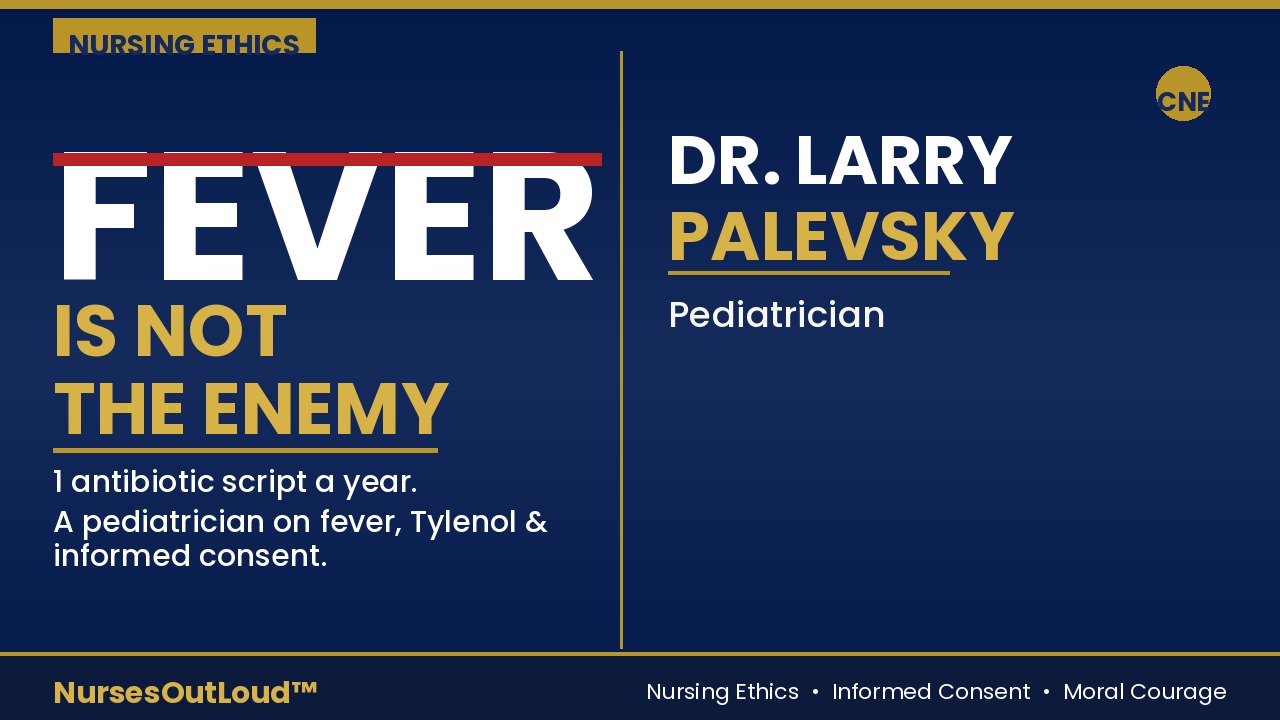
In this Nursing Ethics episode of NursesOutLoud™, ER nurse, nursing ethics educator, and federal whistleblower Jodi O’Malley, MSN, RN sits down with Dr. Lawrence Palevsky — New York board-certified pediatrician, past president of the American Holistic Medical Association, and one of the most thought-provoking voices in pediatric medicine today. This conversation goes straight at the reflexes medicine has conditioned into all of us: treat the fever, order the swab, write the script.
Click to learn more.
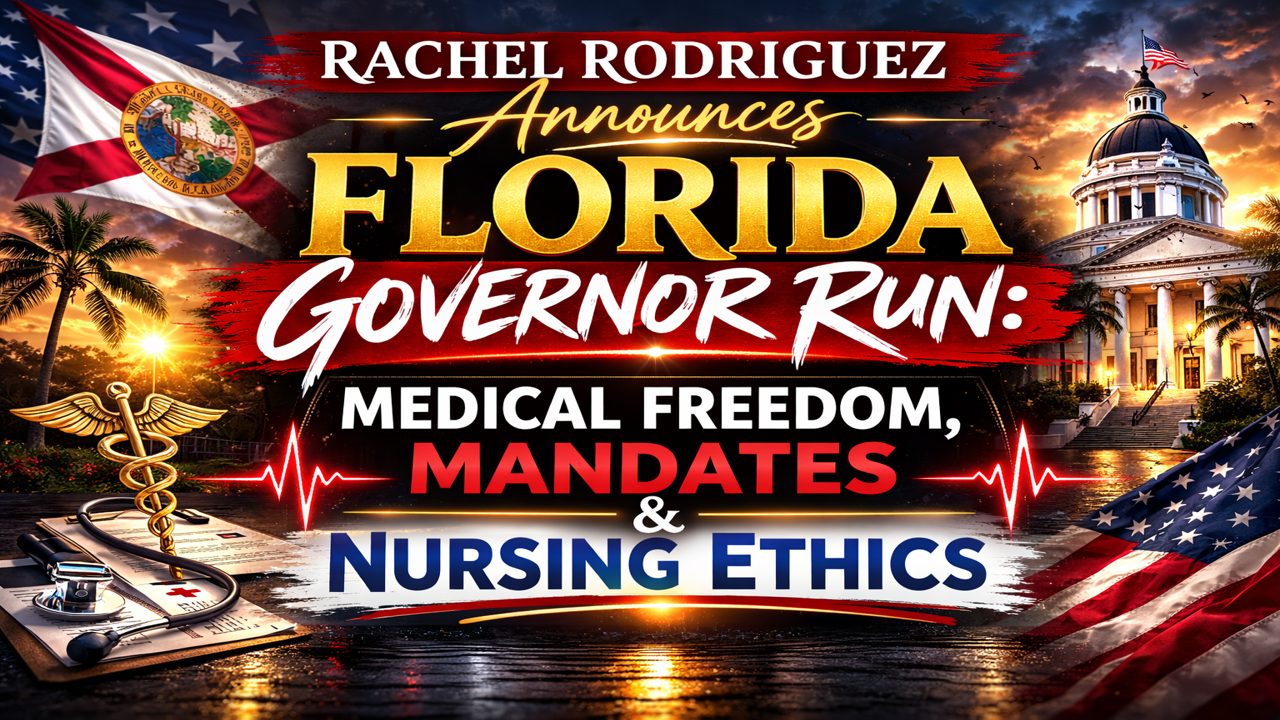
Rachel Rodriguez is a Florida-based attorney and religious liberty advocate. She has served as Special Counsel with the Thomas More Society and has represented first responders and parents in pandemic-era civil rights cases, including challenges to vaccine mandates and school mask mandates. She has taken on major employers over COVID-era legal overreach and continues to work on accountability efforts related to hospitalized COVID patient care. Rachel is now running for Governor of Florida.
Click to learn more.
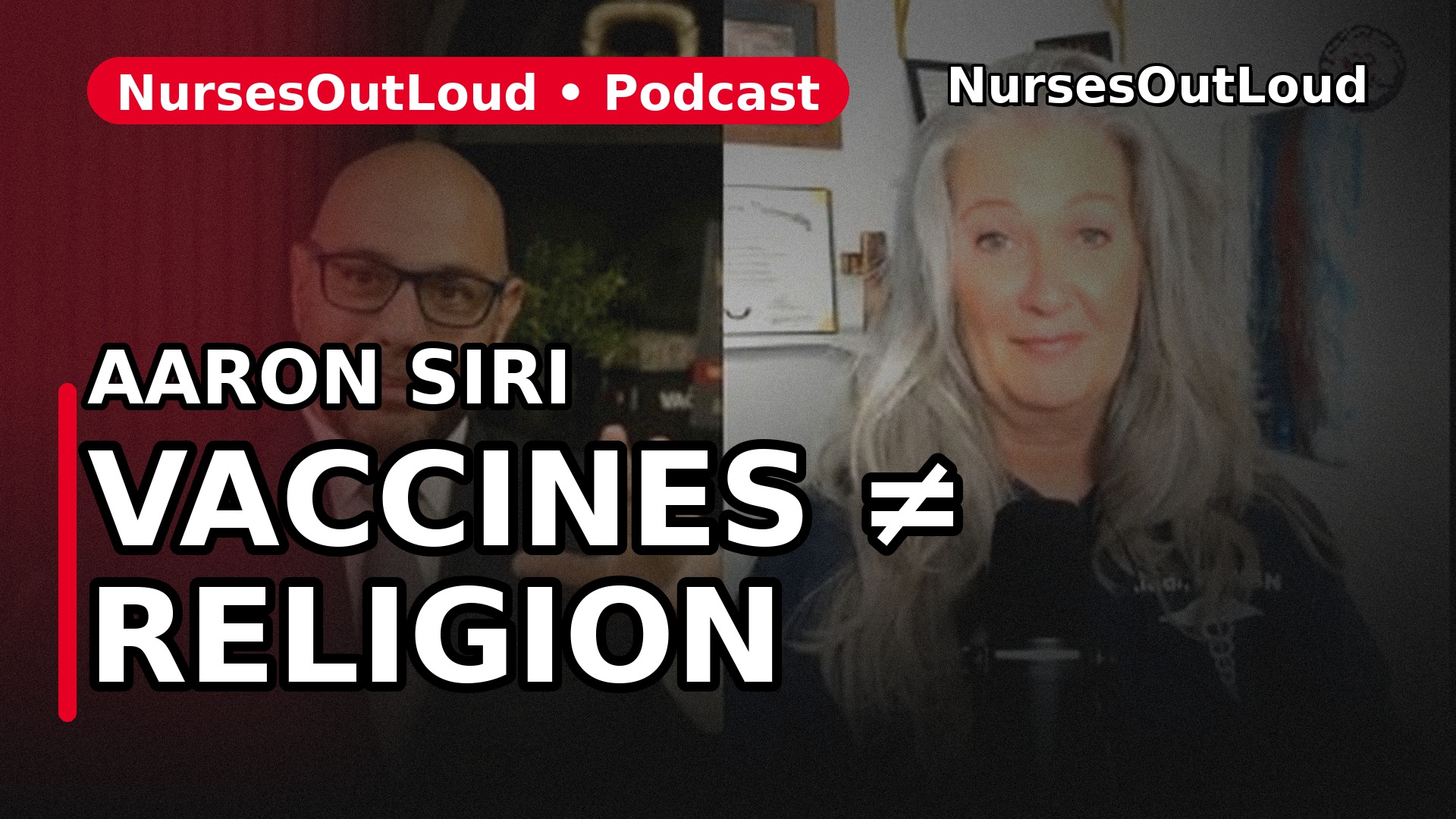
A nurse-first ethics training on informed consent, patient autonomy, and primary-source verification—without slogans or tribalism. This 1.0 CNE activity uses a NursesOutLoud interview with attorney Aaron Siri to strengthen ethical nursing practice related to vaccines and informed consent. Learners will review the interview content focused on primary-source verification, patient autonomy, respectful refusal, and the nurse’s role in non-coercive education.
Click to learn more.
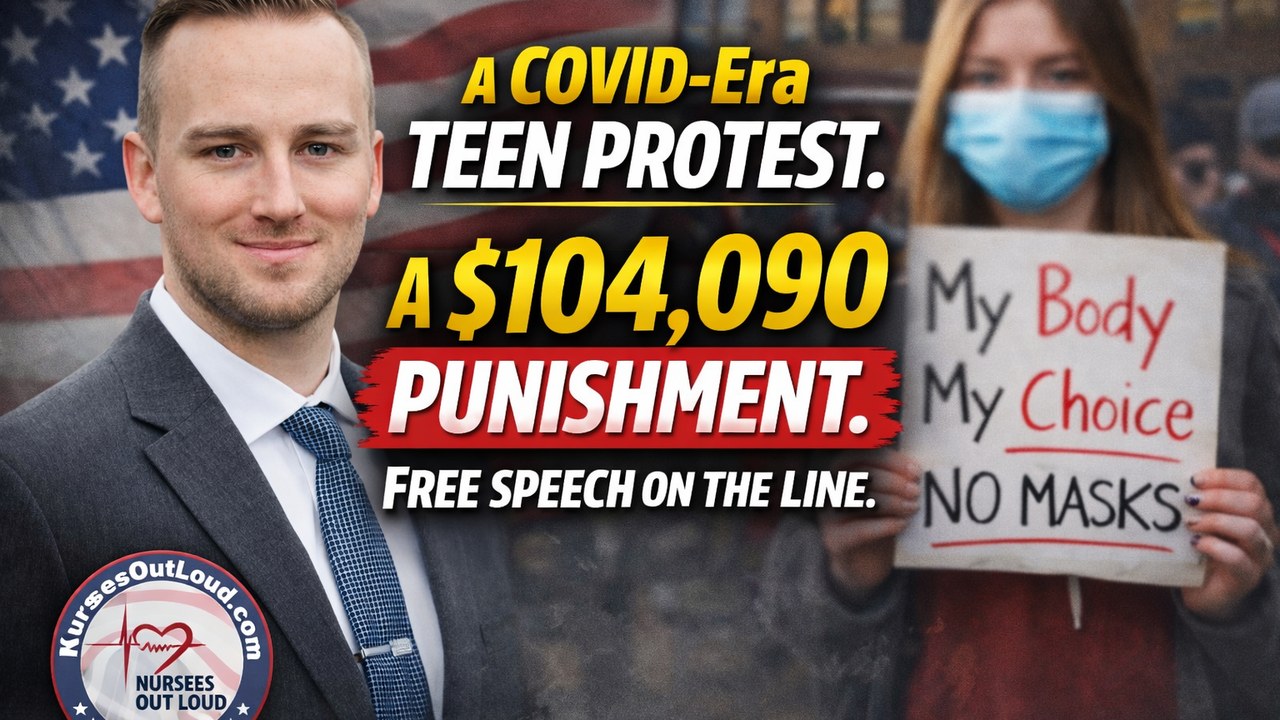
A teenage girl peacefully protested a government school policy during the COVID era — and her family now faces a $104,090.07 punishment for suing. In this episode, attorney Ryan Heath breaks down G.W. v. Coronado Unified School District, how anti-SLAPP is supposed to work, how courts inverted the process, and why this precedent could turn the First Amendment into a luxury only the wealthy can afford.
Click to learn more.
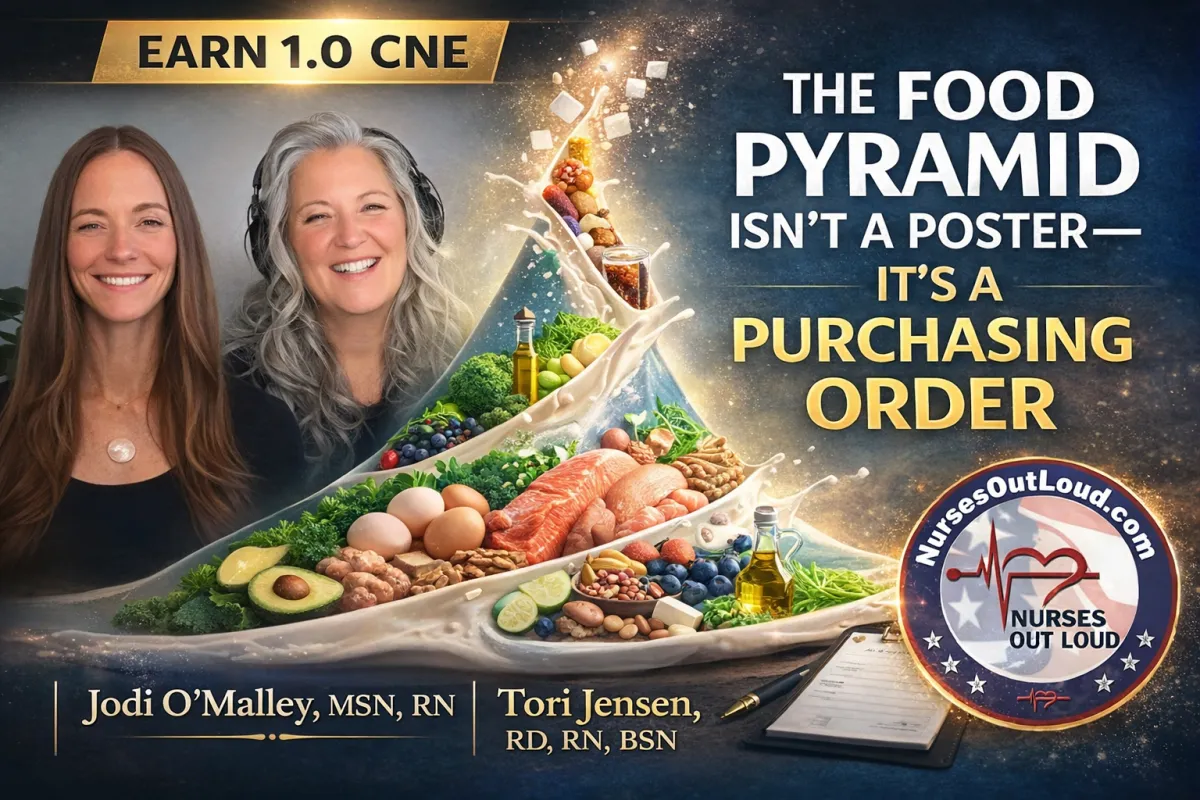
A practical, nurse-to-nurse breakdown of how dietary guidance trickles into institutional food policy—and what bedside nurses can teach today to support blood sugar stability and metabolic health.
Click to learn more.
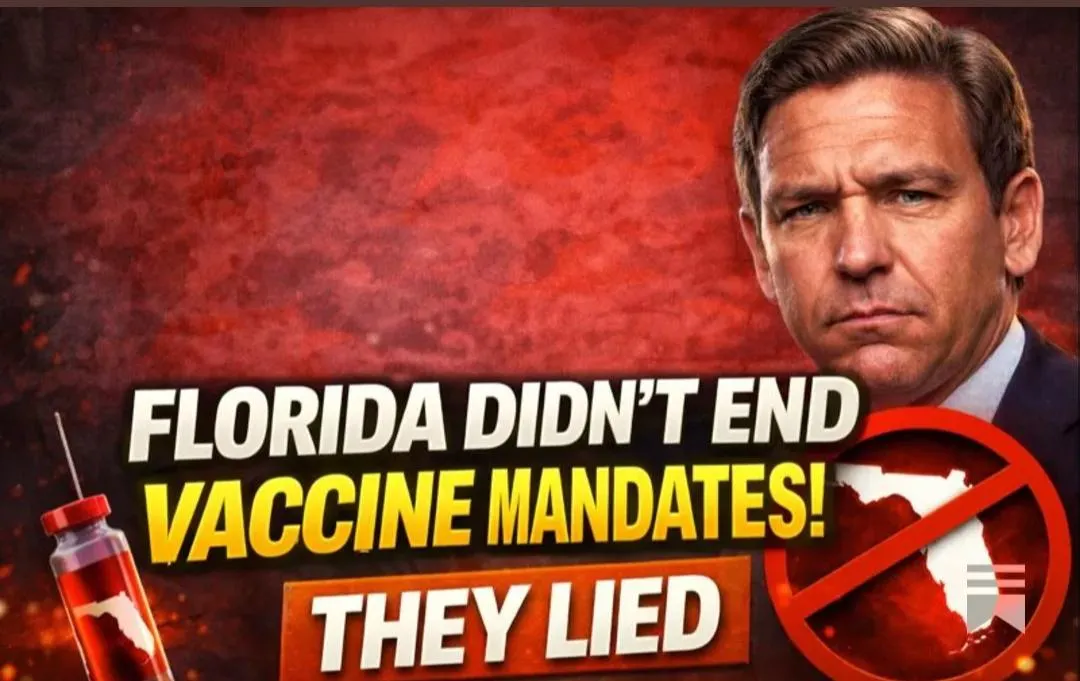
Public narratives often oversimplify complex healthcare legislation. In this 2.0 CNE activity, learners will critically examine claims that Florida has ended all vaccine mandates by analyzing real legislative texts—Florida Senate Bill 1756 (SB 1756) and House Bill 917 (HB 917)—referenced in a NursesOutLoud episode featuring nurse advocate Nicole (BSN, RN, CLNC).
Click to learn more.